



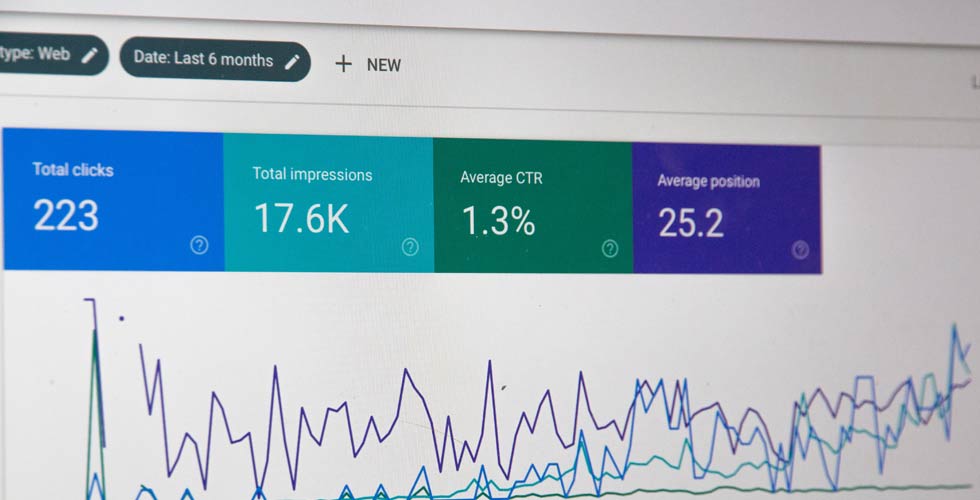
There is no single “good” ecommerce conversion rate. A useful benchmark compares the same conversion event across comparable markets, devices, traffic sources, product categories and customer types. Start with your own trend, then use external averages only as context.
Define the conversion before comparing it
Purchase conversion rate is commonly calculated as completed purchases divided by the chosen denominator, multiplied by 100. The denominator may be users or sessions, so two dashboards can show different rates for the same store. Google Analytics treats important actions as key events and can create conversions from those events; the measurement definition should be documented before a benchmark is shared.
Segment before you diagnose
| Segment | Why it changes conversion | Question to ask |
|---|---|---|
| Country or market | Price, language, payment, delivery and brand awareness vary. | Is the proposition localised and operationally available? |
| Device | Mobile checkout friction and page performance differ. | Where does the mobile funnel lose customers? |
| Traffic source | Intent differs between branded search, paid social and referral. | Are we comparing traffic with similar intent? |
| Product and price | Consideration time, margin and return risk vary. | Does delivery cost look reasonable against basket value? |
| New vs returning | Existing trust changes purchase behaviour. | Is acquisition traffic being compared with loyal customers? |
How international delivery affects conversion
International shoppers evaluate more than the product. They need to understand whether the retailer serves their destination, what delivery costs, when the parcel may arrive, whether duties could be charged and what happens if the order is unsuitable.
- Before product selection: make destination availability, currency and essential restrictions clear.
- On the product page: provide accurate product data, sizing and a route to delivery and returns information.
- In cart: expose delivery cost and threshold logic before the final checkout step.
- At checkout: show relevant delivery choices, credible dates and duty/tax treatment.
- After purchase: provide useful tracking and an understandable returns path to support repeat conversion.
Retailers can use Asendia’s resources on international parcel delivery, customs clearance, parcel tracking and global returns to audit the logistics elements of the funnel.
A better 2026 conversion review
Report the purchase rate alongside add-to-cart rate, checkout start, payment failure, shipping-option selection, destination, margin and return rate. Run controlled tests where possible and avoid declaring a winner before the sample is large enough. A change that raises orders but destroys margin or increases returns is not automatically an improvement.
Use benchmarks to ask better questions—not to diagnose a store from one percentage. The most actionable comparison is usually the same segment before and after a specific change.
Frequently asked questions
What is an ecommerce conversion rate?
It is the percentage of a defined audience that completes a chosen ecommerce action, commonly a purchase. The calculation should state whether the denominator is users or sessions.
What is a good ecommerce conversion rate in 2026?
There is no universal target. A useful benchmark depends on market, device, traffic source, category, price, customer type and the exact event definition.
Why is international conversion lower in some markets?
Common causes include weak localisation, unexpected shipping cost, unclear duties, unsuitable payment or delivery choices, low trust and difficult returns.
Should mobile and desktop conversion be compared together?
They should be reported separately as well as in total because user context, site performance and checkout behaviour can differ substantially by device.
How often should conversion benchmarks be reviewed?
Review them continuously in reporting and formally after material changes, while accounting for seasonality, campaign mix and sample size.
Planning international ecommerce growth? Discuss your markets, parcel profile and customer promise with Asendia.
Speak to our sales team