


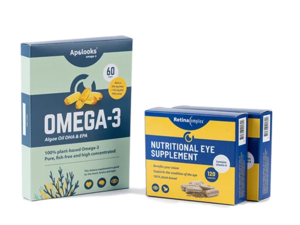

Health and wellness ecommerce in 2026 is moving from broad lifestyle messaging to evidence-led trust and operational reliability. Brands still need personalisation, subscriptions and community, but international growth also depends on accurate product information, market-specific compliance checks, protective packaging, delivery visibility and a returns process suited to the product.
That matters because “health and wellness” covers very different goods: cosmetics, supplements, nutrition products, devices and everyday wellbeing products do not share the same transport or regulatory requirements. Before opening a new market, retailers should classify each product and check its ingredients, claims, labelling, shelf life and destination rules.
Five health and wellness ecommerce trends shaping 2026
| Trend | Commercial opportunity | Operational requirement |
|---|---|---|
| Personalised journeys | More relevant discovery, education and replenishment. | Keep recommendations explainable and product claims accurate for each market. |
| Subscriptions and replenishment | Predictable repeat revenue and stronger retention. | Reliable stock, delivery cadence, address management and simple cancellation. |
| Trust-rich product pages | Fewer doubts before checkout. | Show ingredients, usage, warnings, size, origin and delivery restrictions before purchase. |
| Community and creator content | Social proof and product education. | Document rights, disclose commercial relationships and avoid unsupported health claims. |
| Lower-impact operations | A more credible sustainability story. | Measure packaging, transport choices, failed deliveries and returns rather than relying on vague claims. |
Product trust has to continue after checkout
A persuasive product page can win the order; the delivery experience determines whether the customer will buy again. A realistic promise should account for destination, service level, customs information and product characteristics. Tracking messages should explain meaningful milestones, while protective packaging should suit the item without creating unnecessary weight or volume.
For regulated or sensitive products, transportability can depend on composition, format, quantity, origin and destination. In the EU, for example, food-supplement rules are designed to protect consumers and prevent misleading information, while mandatory information for pre-packed food sold at a distance generally has to be available before purchase. Cosmetic products placed on the EU market also have notification and responsible-person requirements. These checks belong upstream of the shipping label.
A cross-border readiness checklist
- Classify the product. Confirm whether it is treated as a cosmetic, food supplement, device, general merchandise or another category in the destination.
- Audit the product record. Verify description, ingredients, HS code, origin, value, weight and any applicable warnings.
- Review claims and labels. Make sure product and health claims can be used in the destination and that mandatory information is visible online.
- Test the delivery promise. Match service speed, tracking and delivery choice to shelf life, value and customer expectation.
- Design the exception path. Decide how the team will handle customs queries, failed delivery, damage, cancellation and returns.
How logistics supports health and wellness growth
Retailers should build a route-by-route delivery proposition instead of using one global promise. Asendia’s international ecommerce parcel delivery, customs clearance expertise, parcel-tracking guidance and global returns provide useful building blocks to assess with the product profile and destination. The Health & Beauty sector page sets out the wider industry context.
Practical principle: do not promise international availability until product eligibility, data, packaging, service level and returns handling have been checked for the destination.
Frequently asked questions
What is changing in health and wellness ecommerce in 2026?
The market is becoming more trust-led. Personalisation, subscriptions and creator content remain important, but brands also need clear product information, compliant claims and dependable delivery operations.
Can every wellness product be shipped internationally?
No. Eligibility can depend on the product category, ingredients, format, quantity, origin and destination rules. Retailers should check each product and market before offering delivery.
How does delivery affect wellness ecommerce retention?
Accurate delivery dates, useful tracking, protective packaging and a clear exception process reduce uncertainty and help turn a first purchase into a repeat order.
What data should a retailer prepare for cross-border shipping?
At minimum, prepare an accurate product description, HS code, country of origin, value, weight and any category-specific information required by the destination or carrier.
Are subscriptions suitable for international wellness sales?
They can be, provided the retailer can maintain stock, predictable delivery timing, compliant product availability, clear recurring-payment terms and a simple cancellation process.
Planning international ecommerce growth? Discuss your markets, parcel profile and customer promise with Asendia.
Speak to our sales team